Why Choosing the Right General Contractor Is Crucial for Your Project
Determining the right prime contractor is a pivotal decision that can considerably shape a project's completion. A competent contractor guarantees productive administration and adherence to spending limits. Their ability to work through setbacks and maintain lucid communication is essential. However, many project participants overlook critical considerations in this procurement process. Recognizing these elements can point to enhanced outcomes and increased gratification. What should one consider when reaching this important decision?
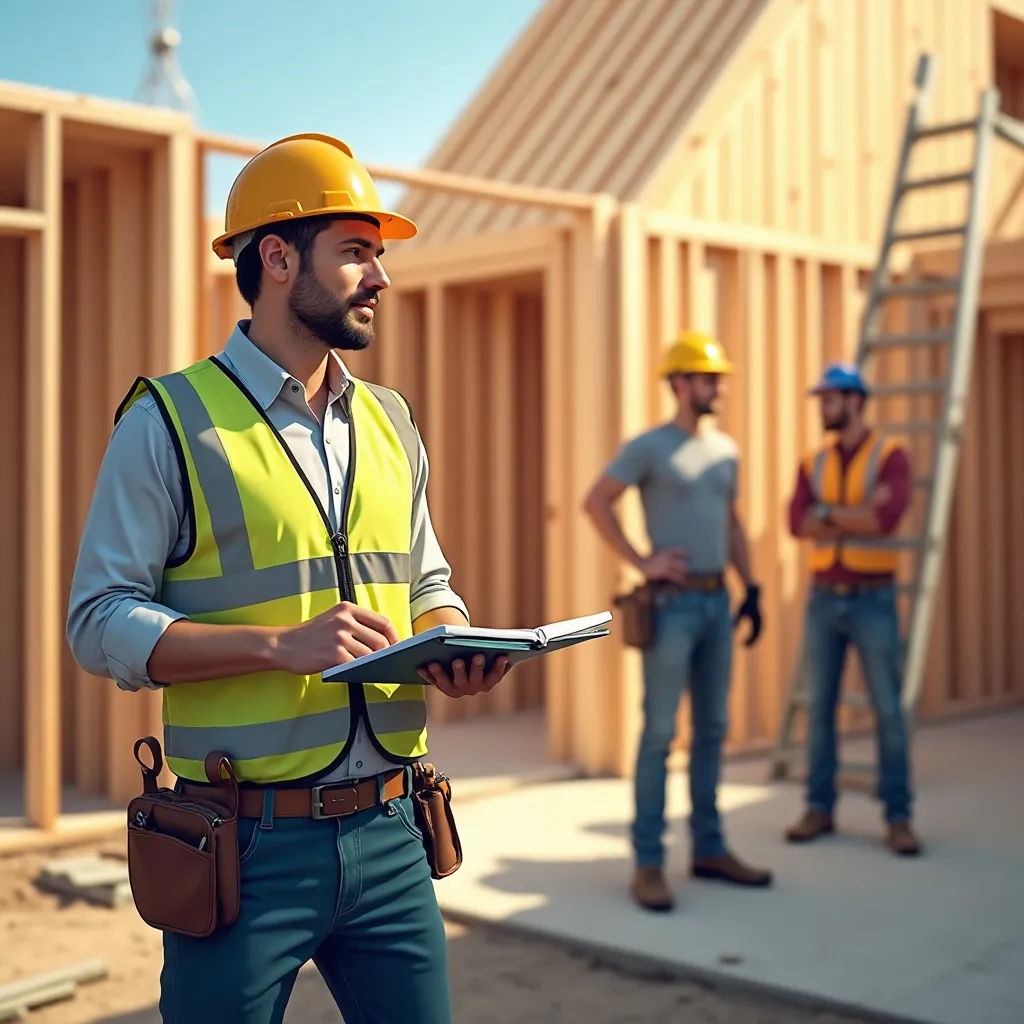
Common Struggles in Picking a General Builder
When choosing a building contractor, potential clients often encounter several common challenges that can complicate the decision-making process. One major obstacle is the vast quantity of choices on offer, which can lead to confusion and indecision. Customers may struggle to distinguish among contractors based on qualifications, experience, and pricing, making it difficult to identify who will best satisfy their project needs.
One concern is the insufficient openness in contractor estimates, where hidden costs may appear later, changing the project budget. In addition, clients may encounter difficulties surrounding dialogue; some contractors may neglect to keep clients informed during the process, producing frustration. Lastly, clients often deal with confirming a contractor's track record and past work, which can create ambiguity regarding the standard of service expected. These challenges necessitate thoughtful review and due diligence to guarantee the appropriate selection is determined.
Why a Dependable General Contractor Is Critical
A dependable general contractor plays a essential role in guaranteeing project management efficiency and maintaining quality standards. Their expertise helps streamline processes, minimizing delays and expenses. Additionally, a trustworthy contractor upholds excellence, resulting in excellent construction work and client contentment.
Improve Project Administration Effectiveness
Successful project execution relies on the reliability of a general contractor. A trustworthy contractor guarantees that timelines are respected, resources are efficiently allocated, and communication runs smoothly among all stakeholders. Their expertise in coordinating subcontractors, suppliers, and laborers has a direct influence on the project's progress and success overall. A reliable contractor anticipates obstacles, implements remedies promptly, and maintains focus on project objectives, minimizing setbacks and budget excesses. This efficiency creates a collaborative atmosphere, enabling adjustments and improvements as needed. Ultimately, the general contractor's reliability improves both the operational components of the project and the confidence among clients and team members, guaranteeing all stakeholders stay coordinated towards a successful conclusion.
Premium Assurance Standards
Trustworthy general contractors play a pivotal role in upholding quality assurance standards throughout the project duration. They guarantee that the work follows established guidelines and industry standards, which is the durability and safety of the structure. A competent contractor manages materials and workmanship closely, carrying out routine inspections to identify and fix issues promptly. This proactive method lessens risks connected with poor construction, ultimately protecting the investment. Additionally, a reliable contractor promotes communication between all stakeholders, ensuring expectations are transparent and met. Prioritizing quality assurance, a skilled general contractor not only betters the final product but also develops client trust, forming the basis for successful project completion.
Evaluating a Service Provider's Background and Reputation
When determining a general contractor, understanding their experience and standing is essential, as these factors greatly influence project outcomes. A contractor's expertise generally reflects their ability to handle various kinds of projects, complications, and difficulties. Reviewing their work history provides insight into past projects, showcasing craftsmanship and careful attention to detail.
Furthermore, reputation plays a vital role in building trust. Prospective clients should seek online reviews, testimonials, and references to assess satisfaction levels from previous clients. Engaging with past customers can uncover the contractor's reliability, communication skills, and compliance with timelines and budgets.
Moreover, industry affiliations and certifications can fortify a contractor's credibility, indicating a devotion to superior work and ethical practices. By thoroughly evaluating both proficiency and reputation, clients can make informed decisions, decisively setting the stage for a successful construction project.
Key Attributes of a Reputable Contractor
A reliable contractor consistently exhibits honesty, openness, and excellent communication skills. These vital qualities create the foundation of a prosperous working relationship. Integrity ensures the contractor conforms to ethical practices, providing honest assessments and realistic timelines. Transparency involves openly sharing project details, including costs and possible obstacles, building confidence between the contractor and the customer.
Robust interpersonal skills enable the contractor to effectively convey ideas, listen to client requirements, and promptly resolve any issues that occur during the project. Additionally, a reliable contractor demonstrates adaptability, responding to modifications and unforeseen circumstances with flexibility and composure. Attention to detail is another important trait; it reflects a commitment to excellence and precision in every aspect of the work. Ultimately, these qualities not only enhance project outcomes but also add to a positive experience for clients, making the choice of a trustworthy contractor all the more critical.
Critical Topics to Address When Hiring Your General Contractor?
How might someone guarantee they select the appropriate general contractor for their assignment? By asking a series of focused questions, potential clients can better evaluate candidates. Initially, inquiring about the contractor's experience with similar projects offers insight into their expertise. It's also important to request for references; speaking with previous clients can reveal the contractor's reliability and quality of work.
Then, reviewing licensing and insurance verifies that the contractor satisfies legal requirements and shields the client from potential liabilities. Clients must also inquire about timelines and project management tactics to determine how the contractor plans to execute the project efficiently.
Budget conversations are essential; requesting a comprehensive quote prevents surprise expenses later. Finally, comprehending the contractor's communication preferences can establish the foundation for a productive working relationship. By tackling these key questions, clients can make informed decisions in choosing their general contractor.
Open Discussion Plays a Key Role With Your Contractor
Effective communication with a contractor is essential for undertaking success. Clarifying unambiguous expectations and delivering timely notifications can avert conflicts that often lead to costly interruptions. Additionally, promoting an open dialogue develops confidence, assuring a smoother teamwork throughout the construction process.
Transparent Objectives Foster Results
Creating well-defined expectations is essential for a fruitful partnership with a general contractor. Strong communication creates the foundation for understanding the objectives, schedules, and budget limitations of the project. When both parties voice their needs and concerns, it lowers the risk of misunderstandings that could derail progress. A contractor who understands the specific requirements can manage resources properly and address potential challenges in advance. Moreover, transparent expectations fosters accountability, guaranteeing that the contractor keeps promises and that the homeowner remains involved throughout the process. By emphasizing open dialogue from the beginning, clients can enhance cooperation and satisfaction, ultimately leading to a smoother project completion. Clear expectations not only optimize workflows but also build trust between the homeowner and the contractor.
Timely Updates Avoid Miscommunications
Setting defined parameters establishes the foundation for productive collaboration, while consistent exchange is equally important. Regular updates shared by construction managers can prevent confusion that may develop during a project. When contractors regularly relay status reports, clients remain informed on schedules, budget modifications, and potential obstacles. Such proactive interaction serves to synchronize key resource each side's intentions and lessens the likelihood of disagreements further down the line. Moreover, when concerns emerge, swift communication enables faster fixes, guaranteeing the work remains on track. By establishing a climate of candid communication, builders show their commitment to the job's accomplishment, ultimately creating a smoother operation and greater customer satisfaction. For this reason, timely updates act as a foundational element for maintaining clarity and faith over the course of the construction process.
Candid Interaction Produces Trust
As a undertaking moves forward, keeping an transparent conversation with the main contractor becomes crucial for fostering confidence and collaboration. Strong communication ensures that all stakeholders have a solid grasp of requirements, schedules, and potential obstacles. When builders and customers participate in regular discussions, it enables for the identification of issues before they worsen, reducing disruptions. This openness not only builds assurance but also enhances the overall project experience. Furthermore, an direct communication channel promotes input, enabling the contractor to make modifications that match the client's vision. In the end, strong communication establishes a foundation of mutual respect, which is essential for the successful completion of any construction project. Confidence cultivated through communication leads to better outcomes for everyone participating.
Frequently Posed Questions
What ways can I employ to determine if a Contractor has been Licensed?
To ascertain if a contractor is registered, one should consult local licensing boards or websites, validate their license number, and ensure it's active. Additionally, reading web-based testimonials can deliver perspective on their credibility and reliability.
What Risk Coverage Should My Work Professional Carry?
A professional needs to secure all-encompassing liability coverage, workers' compensation, and, if applicable, professional liability insurance. These mitigate probable injury, workplace injuries, and quality failures, ensuring financial protection for both the professional and the purchaser.
How Do I Validate a Contractor's References?
To examine a contractor's track record, one should ask for a record of previous clients, contact them directly, and ask about their opinions. Moreover, looking into web-based reviews and evaluations can give valuable insights into the contractor's reliability.
What Should I Do if Problems Arise During the Undertaking?
If issues arise during the project, one should document the problems, interact directly with the contractor, and seek a resolution. If necessary, involving a third party or obtaining legal counsel may also be advisable.
Do You Need to Identify Problem Indicators During the Employment Selection Process?
Caution signs throughout the hiring process include imprecise estimates, no references, substandard communication, incomplete licenses, and negative online reviews. These indicators suggest potential issues that could alter the project's quality and timeline.